by Roxanne Tellier
A little over a week ago, I was browsing through some posts on a Facebook group page. Some of the comments were interesting, but there was one peculiar troll who was obviously looking for a fight, strewing crazy conspiracy theories along the thread like poisoned bread crumbs.
He was adamant that the planet is just 5000 years old, that masks are murder, and that there is no virus. I should have simply let him rave, but I took the bait, and foolishly put a few site links in the post. The barrage of insults began. “You need to get your old crust ass moving alone down your pathetic life and go suck your buttons dick maybe he will give you a cabinet job.” “You’re a diaper wearing stupid idiot.” And then … “You seem to be the one reporting me like the crybaby you are.”
I said that I wondered what it felt like to walk around with a big L on one’s forehead – and then the penny dropped. He’d reported me for bullying.
And I was about to get … 30 days in the hole.
Thirty days, because suspension days are compounded by multiple offenses. Two months ago, in a conversation with a friend about trump lawyer, Sidney Powell, who had defended her seditious remarks about the ‘stolen’ election by saying that no reasonable person would believe her lies, I quoted Shakespeare’s “First, kill all the lawyers.”
And got a week in solitary for the offense of not following community standards.

There IS an appeal process, but Facebook also explains, ad nauseum, that their moderators are far too busy, because of the pandemic, to handle all the requests for justice. Also, regardless of whether your appeal is granted or even acknowledged, and the offense pardoned or not, your Facebook history is still stained by the charge. Each successive charge escalates the amount of time the user is suspended from the services of Facebook.

At some point, and I honestly don’t know when, but it was definitely after Mark Zuckerberg snowed – sorry, I mean ‘spoke’ to Congress last year, and defended Facebook’s business practices concerning the spread of false information, the call went out to the site’s internal censors and security guards already in place; it was time to get tough.
Well, not with their advertisers, or the people they wanted to see re-elected. Those people were sacrosanct.
But the average user, those who may have snickered at some anti-establishment cartoons, or ‘shared’ a photo of a nursing mother … those people were now firmly in Facebook’s crosshairs.
And just like with the ‘real’ police, or the IRS, there would be a tightening of restrictions, and hundreds of charges and sanctions imposed – on the lowest hanging fruit. Facebook would not be going after the trolls, the rabble rousers, the political parties, or the criminals. They were after your mother and grandmother. By not targeting the protected Big Fish, and instead scooping up all the little fishies in their net, the site censors could soon point, with truth, to large numbers of people and offenses that had been tagged, suspended, or deleted, with almost no blowback on themselves.
Nearly every one I know has a story of getting sidelined for 24 hours or more for silly offenses, even for sharing a photo they posted as far back as nine years previous. The fallout from Zuck’s Congressional appearance included instituting new filters that searched back, apparently through the entire history of the site, for certain key words or triggers to purge.
(Filters have been around since the early days of bulletin board systems – it’s Internet 101 stuff that could have, and should have, been woven into the fabric of Facebook’s social messaging from its debut.)
If you notice the three little dots to the right of posts on Facebook, you’ll find, way down at the bottom of the options, this choice.
“Find support or report post.”

By adding this option, the site also added the ability for internal policing of it’s users by other users. Anyone with a grudge against another user, or a wish to silence others, could simply report a message as harassment or bullying. Since the definition of bullying is pretty loosie goosy, the mere act of reporting immediately defines the words as being aggressive in the reporter’s opinion. And if someone decided that everything you said offended them, they could bombard you with accusations that would keep you off the platform for months on end.
Very Big Brother of them.
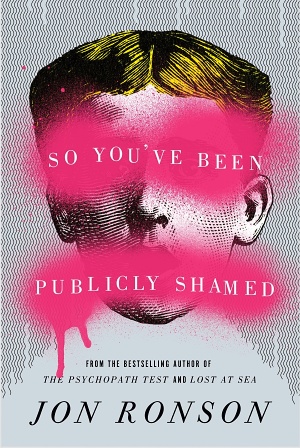
Back in 2015, Jon Ronson published So You’ve Been Publicly Shamed, a book that explained what to do if you got ‘caught’ doing something frowned upon in polite society. At the time, the odds of being someone caught in an international scandal seemed about as likely as winning a lottery.
But in truth, as we’ve seen in the last several years, ‘the internet is forever,’ and things we say or do under current circumstances, or in our past, may find re-entry into our future, by chance or by malice.
Magazines like Forbes, that focus on career mobility, have been warning for ages about how easy it is to get tripped up by our past posts. Your online presence can be a negative, and wreak havoc on your professional life. Online posts can flare up into huge news, Twitter feuds can call attention to faux pas moments, and corporations can find themselves in the middle of a social media disaster, brought about by those with a talent for internet deep diving.
If you happen to be in the middle of a life change, job searching, or just looking to move on with your life, you may want to take a sandblaster to your social media, to get your profiles squeaky clean.

Luckily, there are some apps out there to do just that. You can find info on SimpleWash right on Facebook. SimpleWash purports to be able to scrub your Facebook and/or Twitter content squeaky clean, by scanning all of the content on your Facebook profile – including comments by other people on photos or posts – to locate key words you may want removed. The app will flag things like allusions to drugs, alcohol, profanities, even negative comments you may have made about a company you’re targeting for a job interview.
I’m sure there are similar apps available for every computer platform – keeping your social media profile bland and clean is necessary to secure employment in many professions.
So what exactly can you do, if you need to do a little damage control on your social media brand?

First off, you might want to check on just who can see your posts, tweets or photos. If you wake up the morning after the night before to discover photographic proof of your indiscretions, you’ll want to get an idea of exactly how viral that message or tweet has become. What pops up in our news feeds is largely determined by those with whom we engage the most. If you haven’t interacted with many of your work friends in the last few months, it’s unlikely they’d come across your post. However, you may never know who all saw the ‘evidence’ unless it’s been liked, shared or has been commented upon.
While the Internet IS forever, delete the offending post or photo as soon as possible. If you are social media friends with others who were in on the ‘crime,’ check their accounts for incriminating posts or photos, and ask them to delete or untag your presence. If what you’ve done is really egregious, you may want to delete your entire account, and start over anew. But if someone has taken a screen shot of your offense, even account deletion may not really scrub off the stain.
If that’s the case, and you’re found out, there’s only one thing left to do. Keep your eyes and ears peeled for any office gossip that might allude to your errors, and then apologize to anyone who is offended by your post. Take full responsibility for your actions (WITHOUT using the expression, “If I offended someone … “) and assure your friends and/or work superiors that you intend to use better judgment in the future.
Life will go on, even though it might be uncomfortable for a while. You’ll be looking over your shoulder for a bit, and you’ll find yourself self-censoring more than you might have in the past, but life will go on, and you’ll soon find yourself back in your normal swing of posting your thoughts to your friends and followers, sadder but wiser for the experience.
Personal security experts always advise that it’s best to be aware of your privacy settings on your social media accounts, and monitor what’s posted on your pages to prevent unwanted retweets or shares.

If you’re intent on turning over a new social leaf, it might also be wise to comb through your past posts to monitor for things that could smudge your social brand. Delete those duck-faced selfies, along with any nasty comments you may have made about others, after a couple of bevvies. Nobody needs to be reminded that they can go all Mean Girl after a hard day and a few adult beverages.
And lastly – and this may seem weird, but you just never know – Google yourself on a regular basis. Even if you’ve never been the subject of a newspaper article, or had a Wiki page dedicated to you, it’s a good idea to keep an eye out for false or unflattering comments you might find attached to your name.

We are all works in process. Our society is a work in progress. Social Media is both a blessing and a curse, allowing us to connect to each other for good – or for ill.
Post wisely. All the Big Brothers are watching.































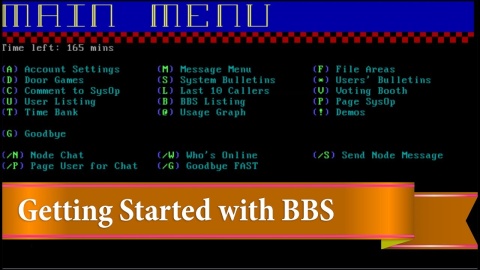
 These boards were in someone’s home, and that system operator (sysop) could see what the incoming caller was doing, since their actions scrolled by on the sysop’s own monitor. Sometimes a sysop would break into your session for a one-on-one chat, which was always a little bit of a fanboy experience. The sysop controlled entry – they could disallow your admission, or give you access to the ‘secret’ files you craved, like the latest version of FileMaker Pro or the naughty Leisure Suit Larry video games. And all you knew about this person was that they were probably as cuckoo for computers as you were.
 The boards were personal, they were usually rather unprofessional, messy, and run by teenage boys, and the boards were often geared to special interests. For about three years I wrote a bbs column, Roxanne Online!, for We Compute!, a monthly paper I helped launch, describing local boards, how to access them, and how to find boards that catered to your personal needs.
 And that’s how I came to stay on a reserve in Sooke, BC, where I spent a week doing nothing but relaxing on verdant hills and exploring rain forests with someone whom I had previously only known online.
 Somewhere along the line, Rich Veraa became Rachel Veraa, but not many of us gave it a lot of thought. People lived their lives as they pleased, and most of us didn’t care what you got up to, as long as you had something interesting to share in your writing.
 The first time I encountered one of Billie Sue Mosiman‘s horror tales (she wrote over a hundred novels, and was also a well-respected editor of horror anthologies) I was a little bit in awe of actually having this talented woman as a ‘pen pal.’ I often think about how she would describe accompanying her beloved husband Lyle, a long distance trucker, while she sat in the cab and wrote to the rhythm of the road. Billie Sue loved her man, her little dogs, and her life, all with equal passion.
 “To look at her, Billie Sue looks like a typical Southern belle (born someplace like Mobile, Alabama, I think) with no more concerns than the cotillion and whether there’s enough Spanish Moss on the oak trees adorning the plantation house… okay, I’m being silly again—I know those sorts of Southern belles went out about the time the carpetbaggers invaded the Deep South after the War of Northern Aggression, as some call it. Although she lives in Texas (or Alabama, I’m never quite sure) with her husband Lyle, I don’t think they can afford a plantation or would want one if they could. And probably the cotillion would be the last thing on her mind—unless as a setting for a massacre; she’s been a full-time writer for years, and her favourite genres are (surprise!) thrillers and horror/fantasy, at least judging by what she’s been publishing lately. The first book of hers I read was called Wireman, about a singular serial killer who used piano wire to garrote his victims. And she looks so normal!” (from AmazingStories.Com/2015)
 Every time I pick up one of Pamela Dean‘s wonderful science fiction or fantasy novels, I marvel again at how lucky I’ve been to have had access to her generous sharing of writing and publishing knowledge over the last three decades.
 Times changed pretty quickly, though. We went from, “computers! too scary!” to “How does this thing work, and why do I have a steamer trunk full of AOL starter discs?” almost overnight. Prodigy and CompuServe also got into the game, and soon the internet was so intertwined with the corporate world that any sense of the intimacy or personality of the bbs days was gone. When the internet went viral in the late nineties, it was the computer equivalent of the dinosaurs being wiped out by comets – one day BBSes were there, and the next … poof! Gone.
 Ever have the feeling that you picked the wrong decade to try to get and stay healthy, focused, connected and relatively substance free?
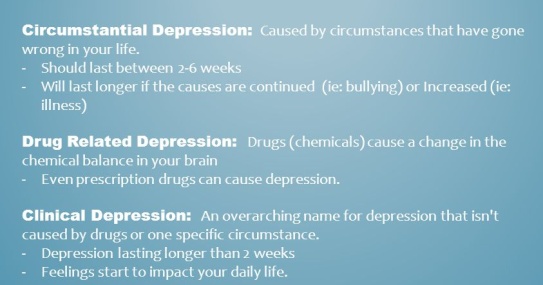
 We are angry and disillusioned with our fellow humans. We wonder how people whom we have known for decades could find it in themselves to vote for the Trumps and Fords of the world.
 We know now that a chemical imbalance is just one small segment of any study of depression disorder and mental illness; not every problem can be cured by pills. Some sufferers will need time, some will need counselling, and some will simply wake up one morning to discover that their pain has grown a hard callus over their broken heart.
 History is filled with stories of people who stood by and watched horrific – but legal – acts be committed by those who created and enforced the laws of the land. It wasn’t that they were born to be bad people, per se .. it was that they were capable of ‘going along to get along’ … to watch without interfering, and to keep silent so that they themselves were not the next to be persecuted.
 The draconian new anti abortion laws emanating from Alabama, Mississippi, Georgia, Kentucky and even Ohio, this week, ripe with a stench tinged with the sulphurs of Hell, have left many of us shaken, angry, and defiant in a way I haven’t seen in many months. These almost comically villainous, and decidedly unconstitutional, attacks on the civil rights of 51.8% of the American population were purposely designed to attract a backlash by the ACLU and other groups, in order that the Religious Right might attempt to overturn Roe v Wade, the landmark court case allowing abortions to be performed in the United States.
 Republicans feel that the time is right to take this battle to the Supreme Court, now that Trump has stacked the Court with his handpicked lackeys.



 Meh. I’ve had a bunch of minor, irritating problems with my ‘puter over the last few weeks, so it was really nothing more than just another annoyance. But a quick Google check showed that millions of people, living all around the world, were missing their Facebook and social media fix. And they were NOT happy.
 Funny, I’d been thinking recently about leaving Facebook. If you have an addictive personality AND are political, it’s not a healthy place. Sure, I love the animal videos, it is great to see how friends and family in far flung places are doing, and I enjoy being able to quickly get in touch with my ‘connected’ friends, but I don’t know if I can take much more of the 24/7 news stream of our current divisive, angry, confrontational times. It’s all too much.
 His message exhorted me to ‘share this everywhere!!!!!!”
 Sadly, for many like Henry, a large part of the role that Facebook, Instagram, and other forms of social media play in their lives is the propagation and dissemination of racism. They are delighted to find the like-minded, tend to be tolerant and accepting of trolls and bots, and are willfully blind to any attempt to separate the truth from the lies. That’s most certainly NOT the average Facebook user, but it is a large, and extremely argumentative and vocal segment, thus, very easy to find.
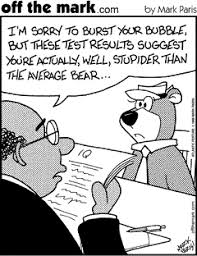 But that increase topped out around 1975, with IQ’s steadily falling by an average of about seven points per generation since. The drop seems to be more about nurture than nature, and includes the impact of changes in how we teach math, science, and language.
 frustratedboomers